
Best Road Trips from Dubai
Dubai is a very good place to start a drive. Within about an hour of Sheikh Zayed Road the scenery stops being skyline and starts being desert, then dunes, then genuine mountains. The roads out here are the quiet luxury of the UAE: wide, beautifully surfaced, properly signposted in English and Arabic, and empty enough on a weekend morning that the driving is the point rather than the chore.
This guide covers seven drives, ordered from a short afternoon loop to a full day in the mountains. For each one you get the real distance, the real drive time, what the fuel costs, and the kind of car that suits it.
- The seven drives at a glance
- 1. Al Qudra Lakes and Love Lake
- 2. Al Badayer and Big Red
- 3. Hatta and the Hatta Dam
- 4. The east coast through the tunnels
- 5. Abu Dhabi along the coast road
- 6. Jebel Hafeet and Al Ain
- 7. Jebel Jais, the highest road in the country
- What the fuel actually costs
- Salik, tolls and parking
- When to go
- Which car to pick
The seven drives at a glance
Distances are one way from central Dubai. Drive times assume a clear run, so add half an hour if you leave in rush hour.
| Drive | One way | Time | Best for |
|---|---|---|---|
| Al Qudra Lakes | ~40 km | 40 to 50 min | An easy afternoon, sunset, birdlife |
| Al Badayer and Big Red | ~50 to 60 km | 45 to 60 min | Red dunes without leaving tarmac |
| Hatta | 100 to 130 km | ~90 min | First proper trip, mountains and a dam |
| East coast via Khor Fakkan | ~140 km | ~2 hrs | Tunnels, then a different sea |
| Abu Dhabi | ~140 km | 1.5 to 2 hrs | Big-city day out, museums |
| Jebel Hafeet, Al Ain | ~160 km | ~2 hrs | The best switchback climb in the UAE |
| Jebel Jais | 175 to 180 km | 2 to 2.5 hrs | Altitude, cool air, the drive itself |
1. Al Qudra Lakes and Love Lake
The gentlest introduction to driving out of the city, and the one you can do on a whim. Al Qudra sits about 40 km from the centre, roughly 40 to 50 minutes out. The reward is a set of man-made lakes dropped into open desert, with flamingos, swans and a surprising amount of green. Love Lake, the pair of enormous heart-shaped lakes, is about 10 minutes further on.
Go late afternoon. The light on the water an hour before sunset is the whole reason to make the trip, and the temperature becomes bearable for walking. There is no public transport that gets you here, which is precisely why it stays as calm as it does.
Car: anything. Stay on the paved road and do not be tempted onto the sand shoulder, which is softer than it looks and where most recovery calls out here come from.
2. Al Badayer and Big Red
Head out on the E44, the Dubai to Hatta road, and about 50 to 60 km from the city the landscape turns properly orange. Big Red is the landmark dune at Al Badayer, sitting right on the Dubai and Sharjah border, and it is the classic UAE desert photograph without any of the effort.
You do not need to drive on sand to enjoy it. There is tarmac and parking at the base, rental shacks for quad bikes and buggies if you want them, and a view of dune crests that goes on for a long way. It also makes a natural first stop if you are carrying on to Hatta, which is straight up the same road.
Car: any car for the tarmac. Do not take a two wheel drive rental onto the dunes, and check your rental agreement before taking any car off road, because off-road damage is almost never covered.
3. Hatta and the Hatta Dam
Hatta is the trip to do first if you only do one. It is a Dubai exclave tucked into the Hajar mountains, 100 to 130 km out and about 90 minutes of driving, and the transition is dramatic: flat desert, then foothills, then real rock walls. The Hatta Dam is the payoff, a stretch of startling turquoise water held between mountain cliffs, where you can hire a kayak or a pedal boat and paddle into the coves.
Around it there is Hatta Wadi Hub for mountain biking, hiking and zip lines, and a restored Heritage Village in the town itself. Leave Dubai around 7am and you will have the dam largely to yourself.
One important routing note. The direct E44 stretch between Al Madam and Hatta clips a piece of Omani territory, and that crossing is open only to GCC nationals. If you are not a GCC citizen you must take the inland route via the Sharjah to Kalba road instead, which keeps you inside the UAE the whole way. Google Maps will not always pick this for you. Our full Dubai to Hatta guide walks through the route in detail.
4. The east coast through the tunnels
This is the drive that shows off UAE road engineering. The Sharjah to Khor Fakkan road runs 89 km and cuts straight through the Hajar range using five tunnels, the longest of which, Al Sidra, runs 2.7 km and is among the longest road tunnels in the Middle East. You emerge on the other side of the mountains at the Gulf of Oman, which is a genuinely different sea from the one Dubai sits on: cooler, clearer, better for snorkelling.
Khor Fakkan is about 140 km and roughly two hours from Dubai. Carry on south and you reach Fujairah, around 122 km from Dubai by the direct measure and comfortably done in the same day. The combination of mountain tunnels on the way out and a coast road on the way back makes this the most varied single day on this list.
Car: a comfortable saloon or SUV. Long, fast, well-surfaced road, so cruise comfort matters more than anything else.
5. Abu Dhabi along the coast road
Around 140 km down the E11 and 1.5 to 2 hours of driving, most of it on a very wide, very fast coastal highway with the Gulf on one side and open desert on the other. The capital rewards a car because its attractions are spread out: the Sheikh Zayed Grand Mosque, the Corniche, Saadiyat and its museums, and Yas Island are not walkable from one another.
Time this one carefully. Heading out between 7am and 9am, or coming back between 5pm and 7:30pm, can add 20 to 40 minutes to the run.
Car: anything comfortable. Note that Abu Dhabi uses its own toll system, Darb, rather than Salik, so ask your rental company how the emirate crossing is billed.
6. Jebel Hafeet and Al Ain
Ask anyone in the UAE who likes driving to name the best road in the country and a lot of them will say Jebel Hafeet. It is about 160 km and two hours to Al Ain, the green oasis city on the Omani border. From there, roughly 11 km of purpose-built switchbacks climb the mountain in a series of hairpins and long sweepers, ending at car parks with a view over the whole plain.
The road is smooth, wide, and has a habit of turning sensible people into enthusiasts. Al Ain itself is worth the trip on its own for the UNESCO-listed oases and the old forts, so make a day of it rather than just driving up and back down.
7. Jebel Jais, the highest road in the country
The big one. Jebel Jais in Ras Al Khaimah is the highest mountain in the UAE at 1,934 metres, and the road runs almost all the way up it. It is 175 to 180 km from Dubai and takes two to two and a half hours, and despite the altitude there is no off-roading involved: the mountain road is fully paved, properly barriered and maintained to highway standard.
Two things make it special. The first is the air, which sits around 10C cooler than the coast and can feel genuinely cold at the top in winter. The second is that driving up and visiting the viewing deck park costs nothing at all. You only pay if you want the zip line, the sledder or a guided activity, and current status for those is listed on the official Visit Jebel Jais site. Read the full Jebel Jais driving guide before you go, including what is currently open at the summit.
What the fuel actually costs
This is the part most road trip articles skip. In August 2026 Special 95 is AED 3.49 a litre and Super 98 is AED 3.60. UAE fuel prices are reset at the start of every month, so treat these as a guide and check the current rate.
Assuming a midsize SUV using about 9 litres per 100 km, here is the round trip fuel bill:
| Drive | Return distance | Fuel, return |
|---|---|---|
| Al Qudra Lakes | ~80 km | ~AED 25 |
| Al Badayer and Big Red | ~120 km | ~AED 40 |
| Hatta | ~260 km | ~AED 80 |
| East coast, Khor Fakkan | ~280 km | ~AED 90 |
| Abu Dhabi | ~280 km | ~AED 90 |
| Jebel Hafeet | ~340 km | ~AED 105 |
| Jebel Jais | ~360 km | ~AED 115 |
In other words the entire fuel cost of the longest drive here is less than a taxi across Dubai and back. A smaller car will beat these figures, and a big V8 will comfortably double them. Fill up before you leave the city, because stations thin out on the mountain routes.
Salik, tolls and parking
Salik gates are inside Dubai, not on the highways between emirates, so a road trip only pays for the gates you cross leaving and returning. Each crossing is AED 6.30 at peak and AED 4.20 off peak, and nothing at all between 1am and 6am, which is one more argument for an early start. Current gate locations and rates are published on the official Salik site.
You do not need to arrange anything. Rental cars come with a Salik tag already fitted, the crossings are tallied against your rental and billed afterwards. Abu Dhabi runs a separate system called Darb, so ask how that is handled if the capital is on your route. Parking at the destinations on this list is mostly free or nominal, which is a pleasant change from Downtown.
When to go
October to April is the season. Comfortable daytime temperatures, mountain activities running full hours, and the kind of clear air that makes the Hajar range look enormous. Weekday mornings are quietest; on Fridays and Saturdays the popular spots such as the Hatta Dam and the Jais viewing deck fill up by mid-morning.
Summer does not rule the driving out. The roads are excellent and the cars are air conditioned, so the drive itself is comfortable. What changes is everything you do after parking. Leave at first light, carry far more water than feels necessary, do not plan long walks in the middle of the day, and check ahead, because some mountain attractions pause over the hottest months.
Which car to pick
- Al Qudra or Big Red: any car at all. These are short paved runs. A car under AED 100 a day is plenty.
- Hatta, the east coast or Abu Dhabi: a comfortable saloon or a midsize SUV. You are doing a few hours of motorway, so seats and cruising refinement matter more than power.
- Jebel Jais or Jebel Hafeet: something with enough engine to climb happily when fully loaded. Both roads are paved, so this is about comfort rather than capability.
- Travelling as a group: a 7 seater beats taking two cars, and splits the fuel bill nicely.
- Doing several of these: a weekly rental costs far less per day than booking a car for each weekend separately.
One practical point on mileage. Some rentals cap daily kilometres, and a Jebel Jais round trip alone is 360 km. Check the mileage allowance before you book if you plan a big drive, and see our guide to renting a car in Dubai for the documents, deposit and insurance side of it.
Good road trip cars in Dubai
SUVs and crossovers with room for people and gear, lowest daily price first. Tap any car to book.
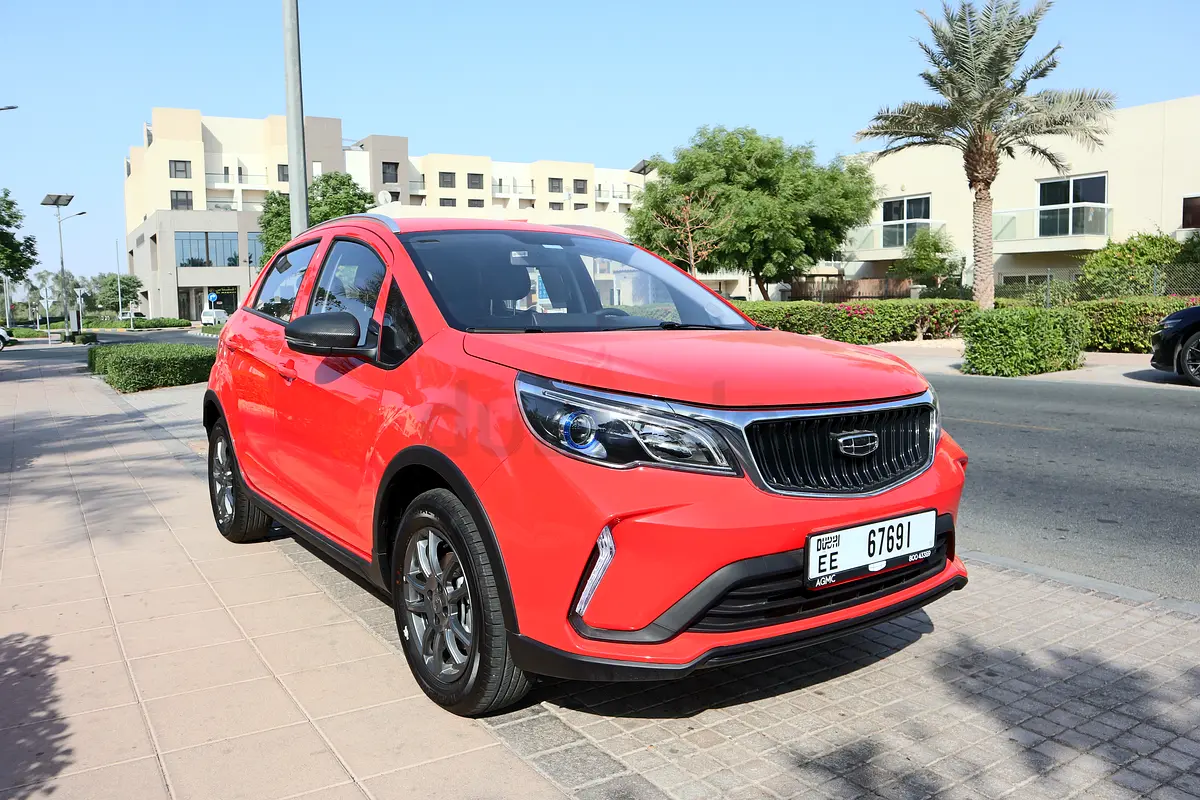
2026 Geely GX3 Pro Rental in International City
2021 Chevrolet Trailblazer for Rent in Al Quoz 4
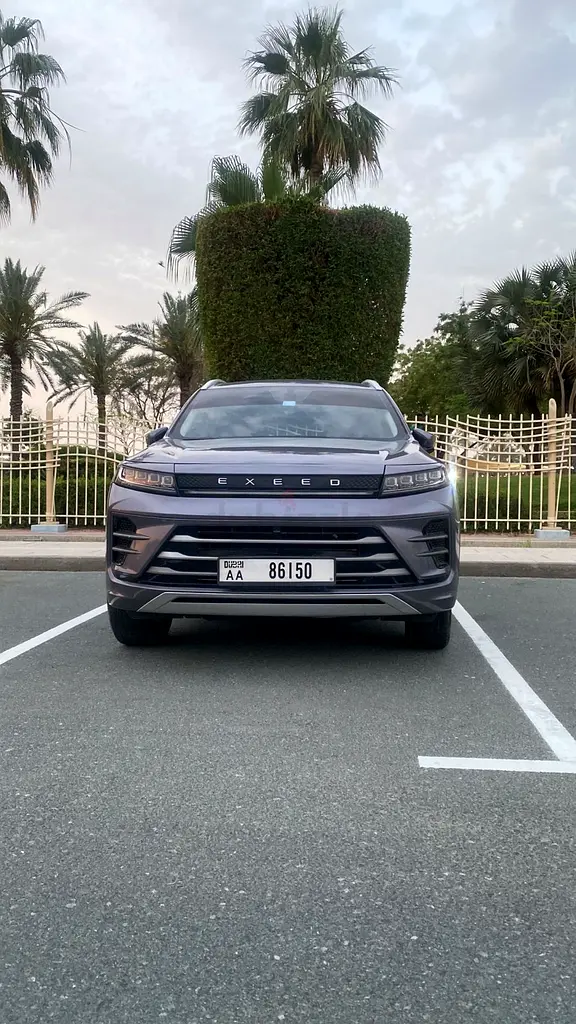
Hire 2024 Exeed LX in Al Barsha 1 — Daily, Weekly & Monthly Hire
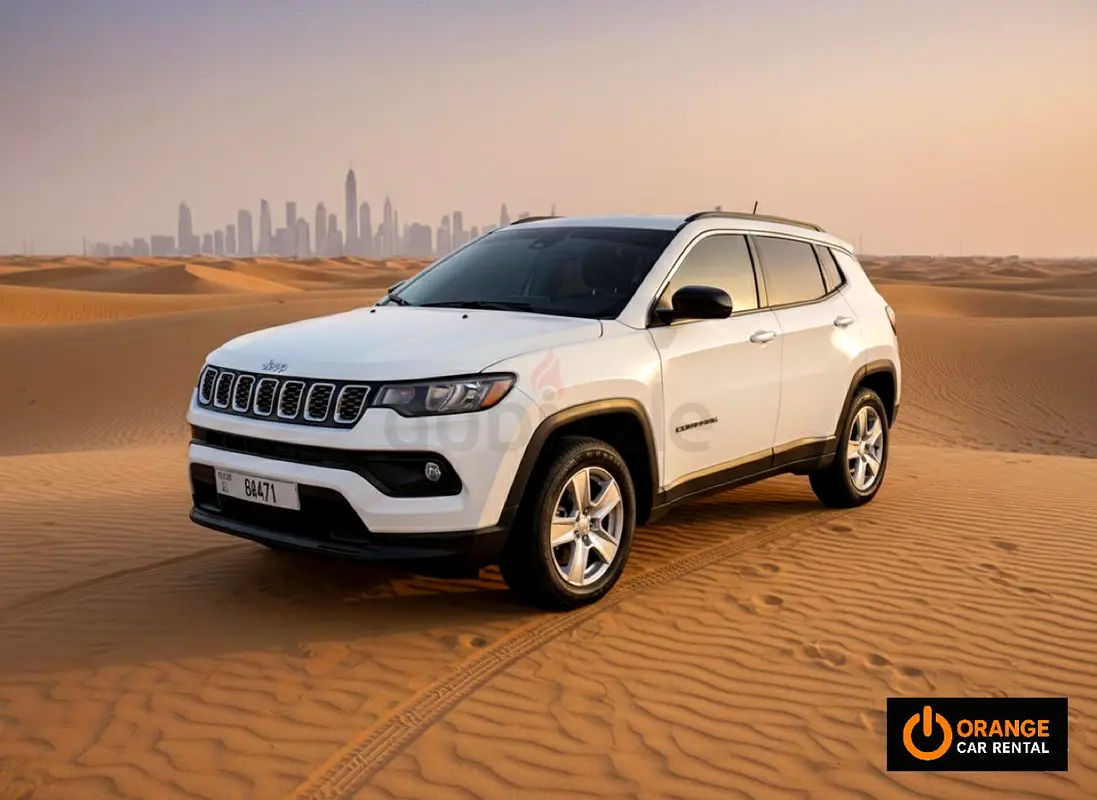
2022 Jeep Compass for Rent in Business Bay
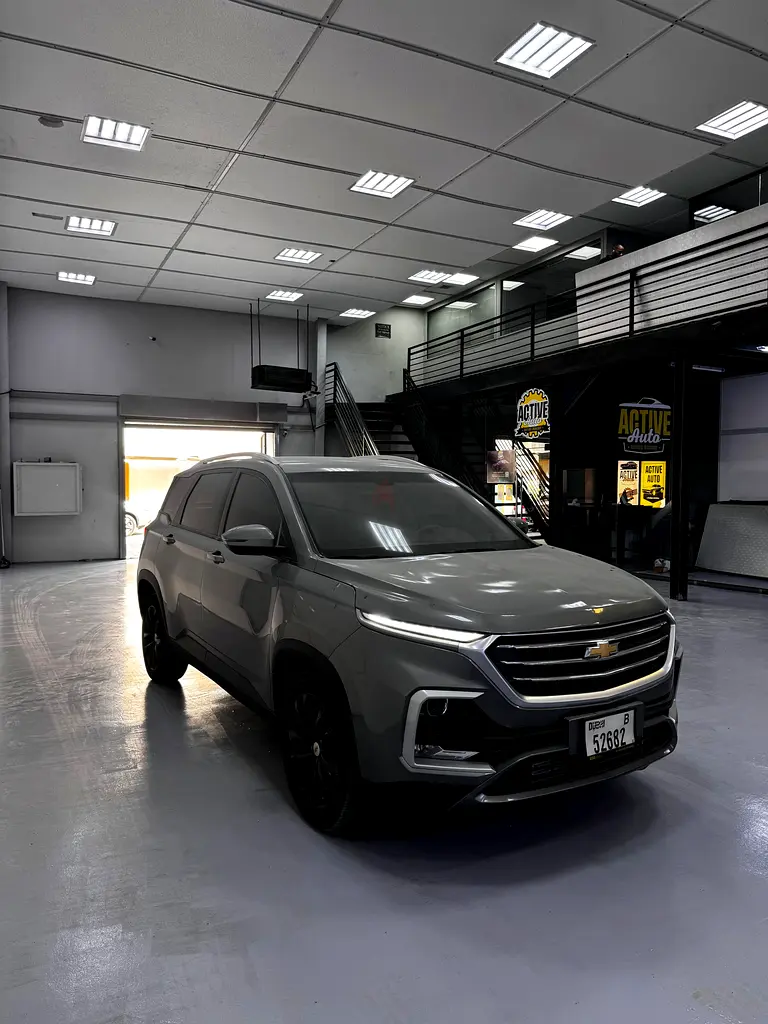
2023 Chevrolet Captiva for Rent in Al Quoz Industrial Area 4
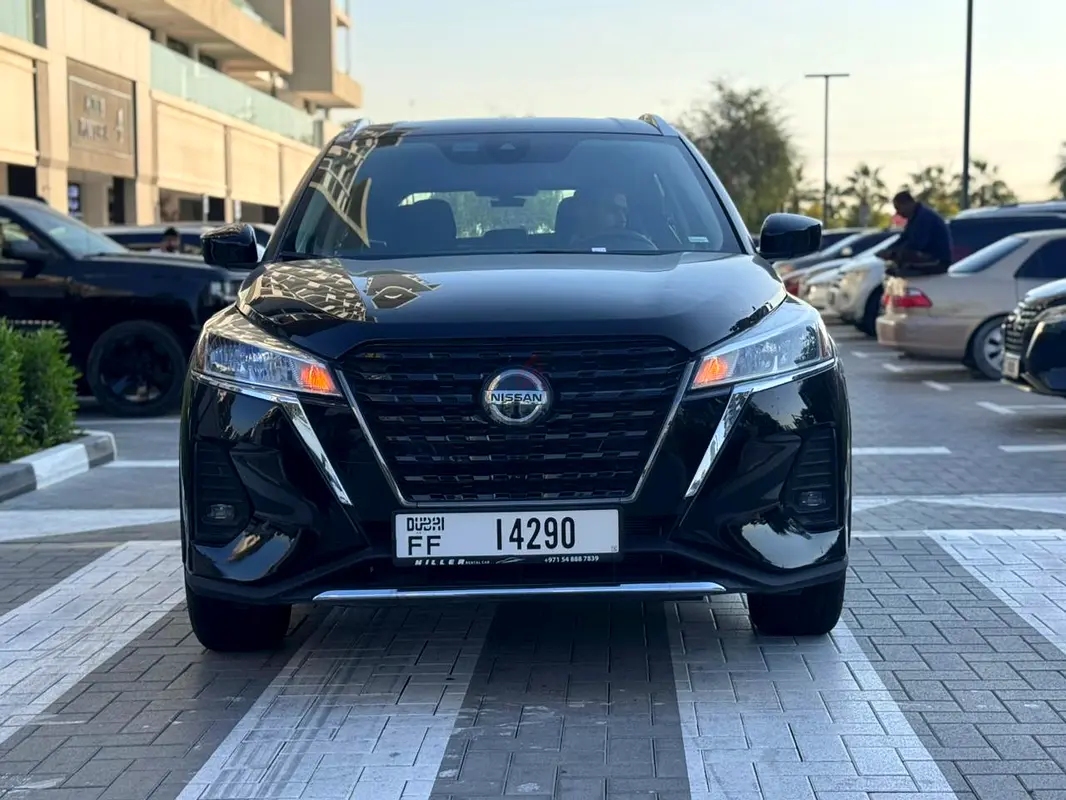
2025 Nissan Kicks for Rent in Azizi Riviera
Frequently asked questions
What is the best road trip from Dubai?
For a first trip, Hatta is hard to beat. It is about 90 minutes each way, the road is easy, and you get mountains and a turquoise dam without committing a whole weekend. If you want the drive itself to be the highlight, Jebel Jais climbs to 1,934 metres on fully paved switchbacks and the viewing deck at the top is free.
Do I need a 4x4 for road trips from Dubai?
No. Every route in this guide is fully paved and signposted, including the climbs up Jebel Jais and Jebel Hafeet. A normal saloon will do all of them. An SUV is more comfortable on the long motorway sections and gives you room for cool boxes and gear, which is why most people pick one. You only need a genuine 4x4 if you plan to leave the tarmac for the dunes, and that is a different kind of trip with its own risks.
How much does a road trip from Dubai cost in fuel?
Less than most people expect. With Special 95 at AED 3.49 a litre (August 2026) and a midsize SUV using roughly 9 litres per 100 km, a return run to Hatta costs about AED 80 in fuel, and the longer haul to Jebel Jais about AED 115. Fuel prices in the UAE are set monthly, so check the current rate before you budget exactly.
Can I take a rental car to Oman from Dubai?
Only with the rental company knowing about it first. You need a No Objection Certificate from them plus separate Oman insurance, often called an Orange Card, and you should ask at least a week ahead. Turning up at the border in a rental car without both is the usual reason people get turned back. Note that the Hatta drive in this guide stays inside the UAE, so no border paperwork is needed for it.
When is the best time of year for a road trip in the UAE?
October to April. Daytime temperatures are comfortable, mountain air at Jebel Jais runs around 10C cooler than the coast, and outdoor attractions keep full hours. In high summer the drives themselves are still fine because the roads are good and cars are air conditioned, but plan an early start, carry more water than you think you need, and expect some mountain activities to pause for the season.
Are there tolls on the way out of Dubai?
Salik gates sit on Dubai roads rather than on the open highways between emirates, so a road trip usually costs you only the gates you pass on the way out and back in. Each crossing is AED 6.30 at peak times and AED 4.20 off peak, and crossings between 1am and 6am are free. Rental cars come with a tag already fitted and the charges are billed to you after the rental, so there is nothing to set up.