
How to Rent a Car in Dubai
Renting a car is the easiest way to get around Dubai. The city is built for driving, fuel is cheap, and rates are some of the lowest of any big city. But the rules around licences, deposits, insurance and tolls catch a lot of first-timers out. This guide covers what you need and what to watch for, whether you are a tourist here for a week or a resident renting for the long term.
Who can rent a car in Dubai?
There is no residency rule. Both tourists and UAE residents can rent. The only difference is the paperwork and the minimum age.
- UAE residents: a valid UAE driving licence and your Emirates ID. That is all you need.
- Tourists and visitors: your passport with a valid visit-visa stamp (visa-on-arrival nationalities are fine), plus a driving licence Dubai accepts. See below.
- GCC nationals (Saudi, Kuwait, Qatar, Bahrain, Oman) can drive on their home licence.
The minimum age is usually 21 for economy and mid-range cars and 25 for luxury cars, large SUVs and sports cars. Many partners also ask that you have held your licence for one or two years.
What documents do I actually need?
For a tourist, the licence is the one thing worth sorting out before you fly.
- If your licence is from a country Dubai has an agreement with (most of Europe, the US, Canada, Australia, Japan, South Africa and many more), you can usually rent on your national licence alone.
- If it is not, bring an International Driving Permit (IDP) along with your home licence. It is cheap and quick to get in your own country before you travel — the UAE government's official guidance on driving with foreign licences is on u.ae.
- Everyone needs a credit or debit card in the driver's name for the deposit or hold. Some partners will not accept debit cards for the hold on premium cars.
Deposit and insurance, the part people misread
Two things get mixed up here. The security deposit is a hold on your card, not a charge, and it is released when you return the car undamaged. The insurance excess is what you would actually pay if you were at fault in an accident.
Deposits usually run from AED 1,000 on economy cars to AED 5,000 or more on luxury cars. If you would rather not have money frozen, look for no-deposit cars. The partner drops the hold and adds a small Collision Damage Waiver (CDW) fee to the daily rate instead.
Comprehensive insurance is always included, but check the excess. Standard cover leaves you paying the first AED 1,000 to 3,000 of any at-fault damage. A Super-CDW or zero-excess upgrade brings that down to little or nothing. It is usually worth it on anything above an economy car.
Salik, traffic fines and mileage caps
Three costs sit outside the rental rate and are billed to you afterwards.
- Salik (road tolls): Dubai's toll gates charge AED 4 to 6 automatically each time you pass — current gate locations and rates are on the official Salik site. There are no cash booths. Your crossings are added up and charged to your card at the end.
- Traffic fines: Dubai's speed and lane cameras are strict. Any fine during your rental is passed to you, often with a small admin fee — you can look up fine amounts on the RTA site. Stick to the posted limit.
- Mileage: most rentals cap daily driving at around 250 km, and monthly deals include more. Over the cap you pay for each extra kilometre.
How to book, step by step
- Pick your dates and budget. Rates drop a lot the longer you rent. If you are staying more than a couple of weeks, read the monthly rental guide.
- Choose a car. Browse all rental cars, or filter by budget, SUV or luxury.
- Check the terms on the listing: deposit, mileage cap, insurance excess, and whether delivery is free.
- Book. Send your dates through the car's booking chat, or reserve online where it is offered. A Drivaza partner confirms the car and delivers it.
- Inspect and photograph the car at handover. Every panel, the wheels and the fuel level. This is your protection against disputed damage or fuel charges.
Getting the best price
Three things move the price more than anything else.
- Rent longer. Weekly and monthly rates can cut the daily price by 30 to 60 percent.
- Get the right size car. A small car that fits what you actually need beats paying for an SUV you will not use. See how to rent cheaply.
- Compare partners. Drivaza lists cars from many UAE rental companies in one place, so you can compare the same class on price and terms instead of calling around.
Popular cars to rent in Dubai
A few of the most-booked cars right now. Tap any car for prices and to book.
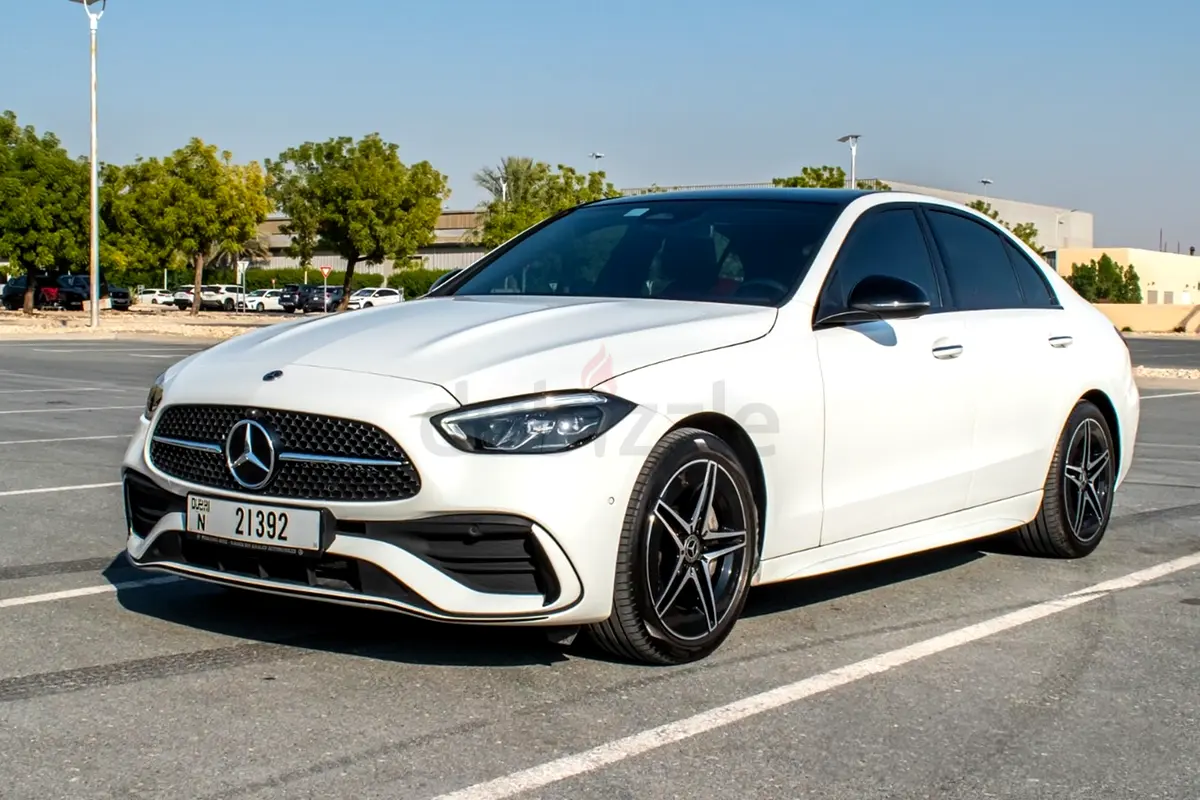
2023 Mercedes-Benz C-Class for Rent in Motor City
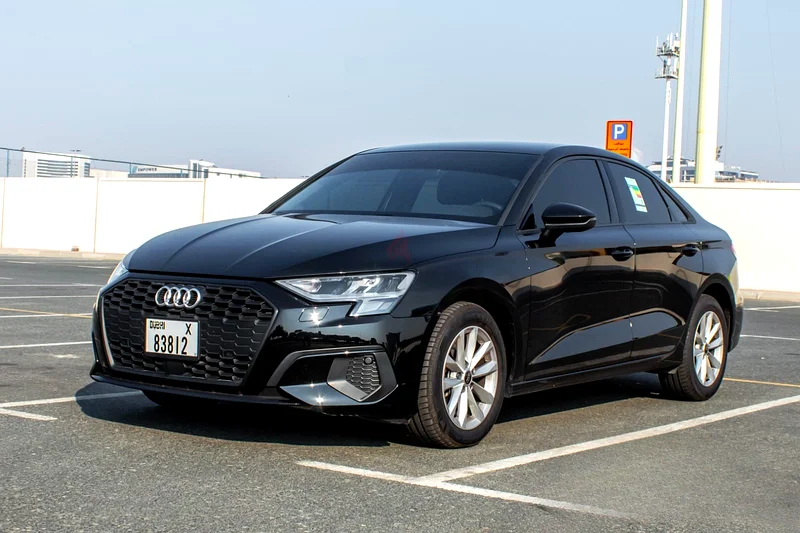
2024 Audi A3 for Rent in Al Jaddaf
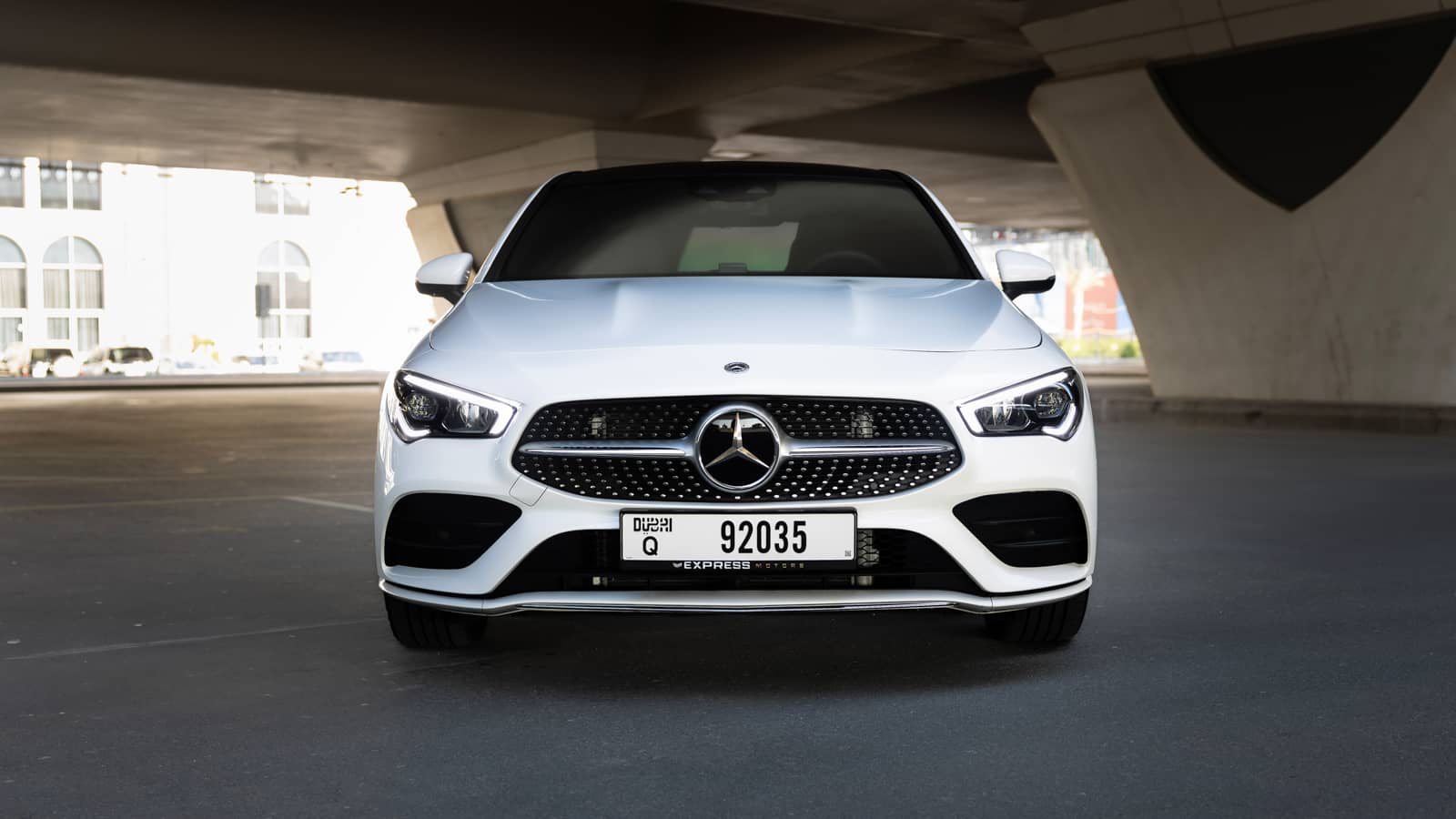
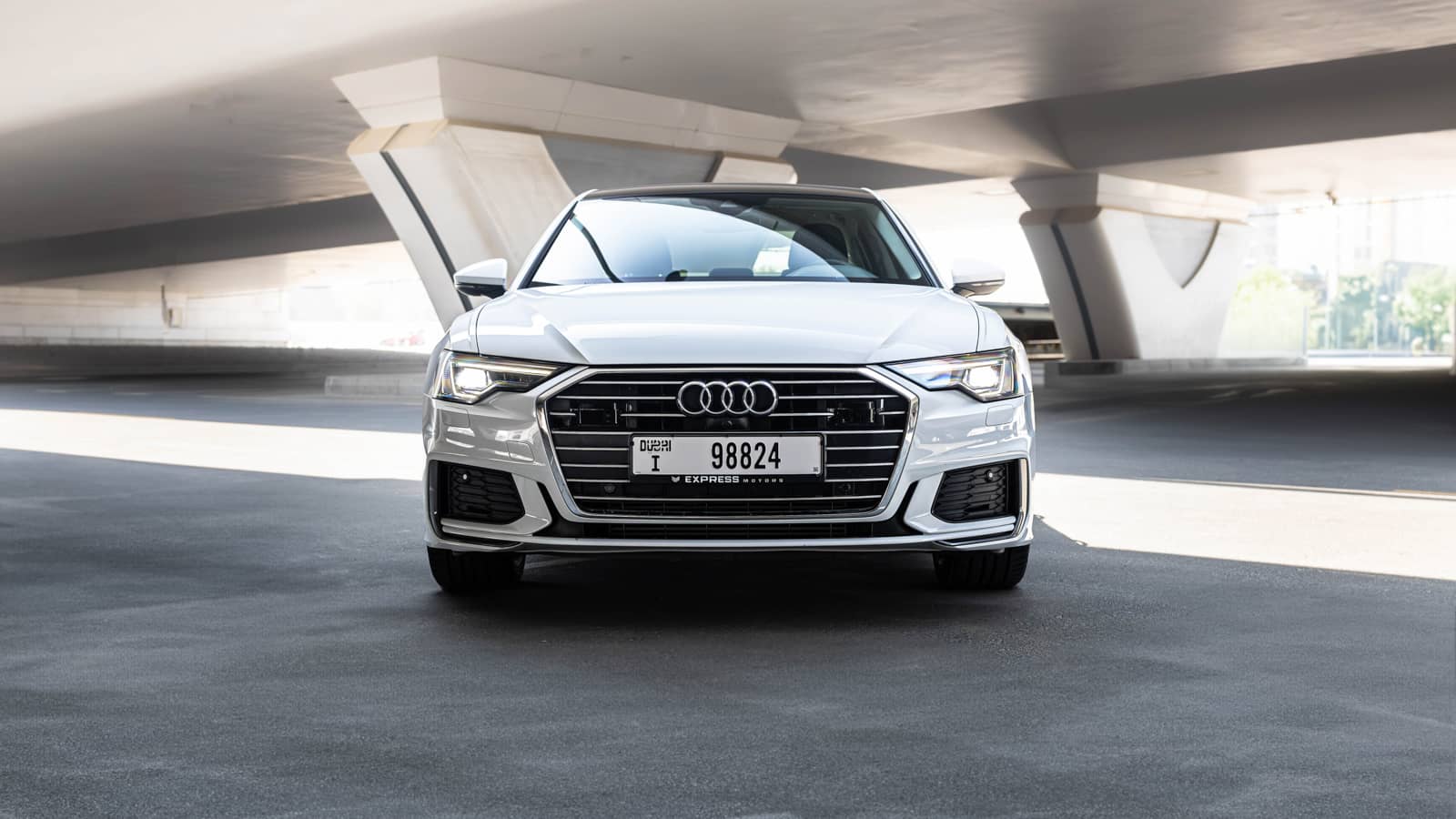
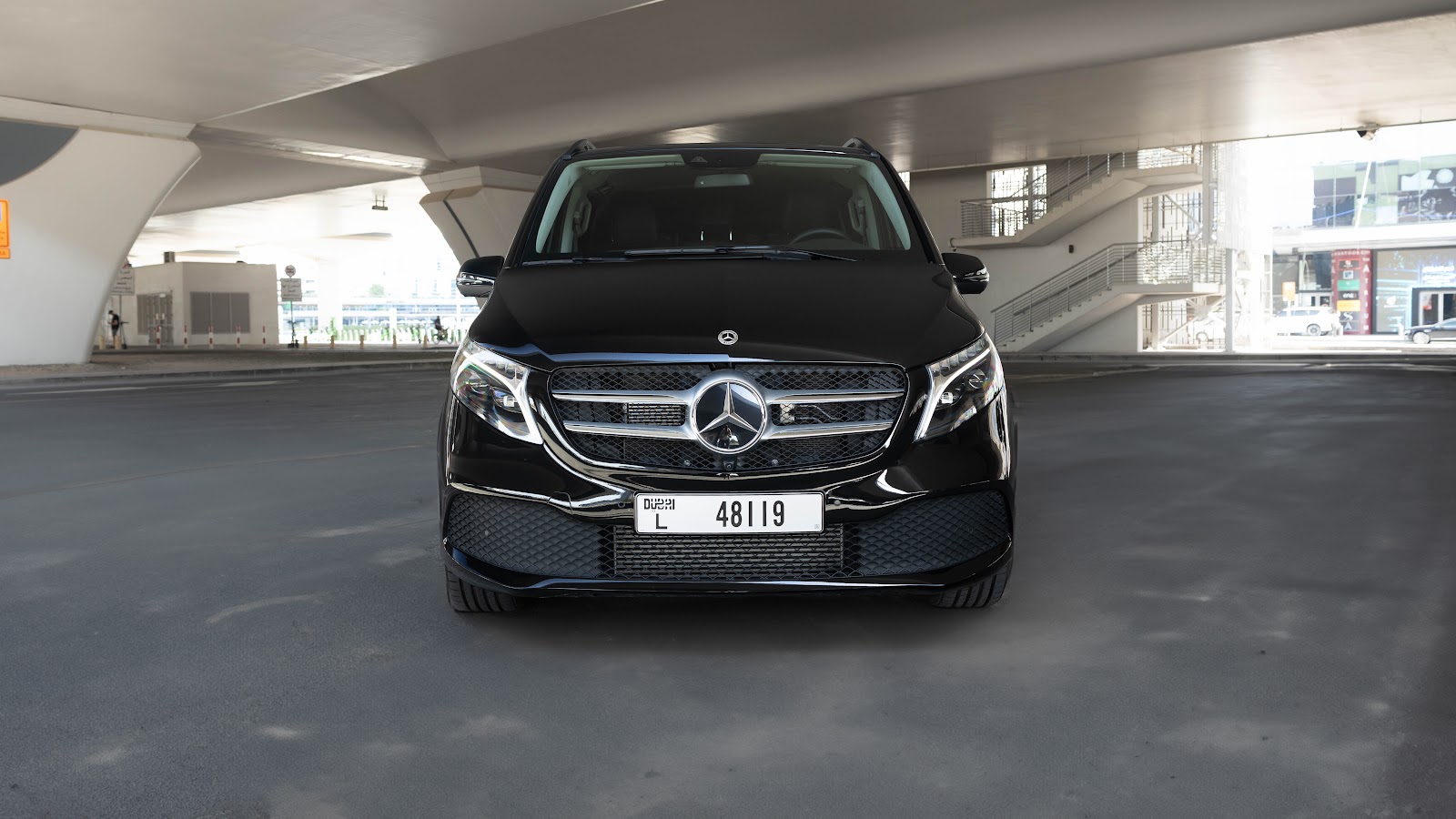
Rent Mercedes-Benz V-Class in Dubai (Black)
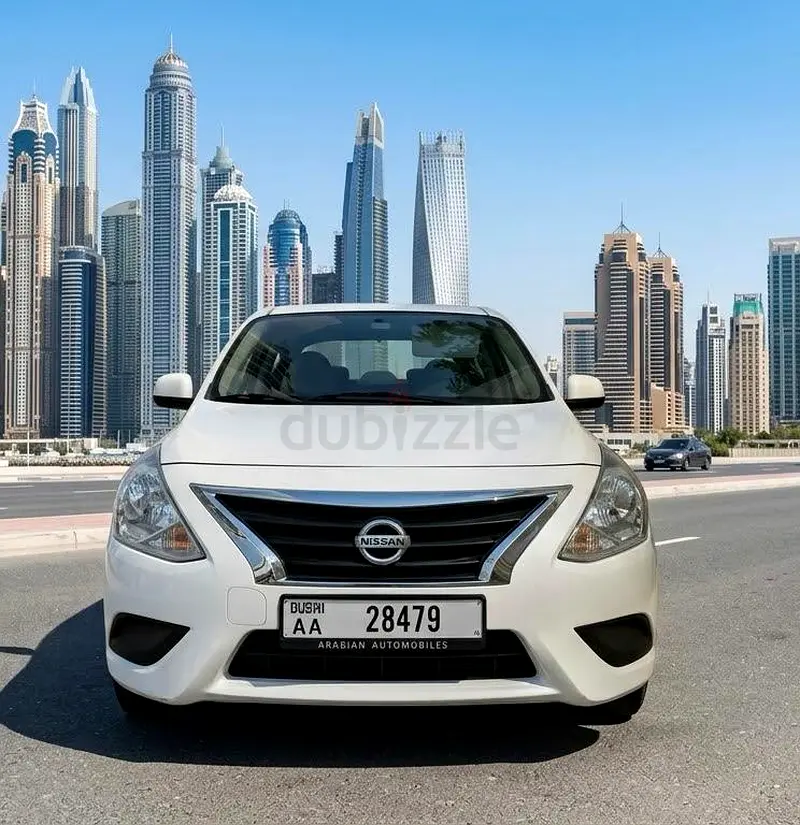
2024 Nissan Sunny for Rent in Al Karama
Frequently asked questions
Can tourists rent a car in Dubai?
Yes. Tourists can rent a car in Dubai with a passport, a UAE entry or visa stamp, and either a licence from a country Dubai has an agreement with, or their home licence plus an International Driving Permit (IDP). Most rental partners set a minimum age of 21 to 25 depending on the car, and you will need a credit card in the driver's name for the deposit.
What documents do I need to rent a car in Dubai?
UAE residents need their Emirates ID and a valid UAE driving licence. Tourists need a passport, a visit-visa stamp (or GCC ID), and either a licence from a country with an agreement, or their national licence plus an International Driving Permit. Everyone needs a payment card for the security deposit or hold.
How much deposit do I need to rent a car in Dubai?
Security deposits usually run from AED 1,000 on economy cars up to AED 5,000 or more on premium and luxury cars. The deposit is held on your card and released after you return the car undamaged. Many Drivaza partners offer no-deposit rentals, where the hold is dropped in exchange for a small Collision Damage Waiver fee inside the daily rate.
Do rental cars in Dubai come with insurance?
Yes. Comprehensive insurance is included by law, but it has an excess (the amount you pay in an at-fault accident), usually AED 1,000 to 3,000 on standard cars. Adding Super-CDW or zero-excess cover lowers or removes that. Insurance does not cover Salik tolls, traffic fines, fuel, or damage from off-road or banned use.
What is Salik and who pays for tolls and fines?
Salik is Dubai's automatic road-toll system (AED 4 to 6 per gate, with no cash booths). Tolls, traffic fines from Dubai's cameras, and parking charges during your rental are billed to you after you return the car, usually with a small admin fee per fine. Always drive within the limit, as Dubai's cameras are strict.
Is there a mileage limit on rental cars in Dubai?
Most daily rentals include about 250 km per day. Weekly and monthly terms include more, often 3,500 to 4,500 km per month. Over the cap you pay for each extra kilometre. If you plan long drives to other emirates such as Abu Dhabi or Ras Al Khaimah, check the cap and ask about an unlimited-mileage option before you book.