
Dubai to Hatta Road Trip
Hatta is the best first road trip out of Dubai, and it is not really close. In about 90 minutes you go from twelve-lane highway to a mountain town in the Hajar range, with a dam holding water so improbably turquoise that first-time visitors tend to assume the photographs were edited. It is still Dubai, technically, which means no border crossing and no extra paperwork.
There is one thing to get right before you set off, and it is the part most guides skip: the obvious route on the map is not open to everybody. Here is the drive, the routing rule, the costs and what to do when you arrive.
The route, and the Oman rule
Hatta is an exclave of Dubai, an island of Dubai territory surrounded by Sharjah, Oman and the mountains. That geography is the reason the routing matters.
The route that works for everyone stays inside the UAE:
- Take the E44 out of Dubai, the Dubai to Hatta road, past Al Badayer.
- Turn onto the Sharjah to Kalba road, following signs for Shawka, rather than continuing on the E44 through Al Madam.
- After roughly 25 to 30 km, turn right towards Hatta and rejoin the E44 on the far side of the Omani section.
This adds a little distance and takes you nowhere near a border post. Set the route deliberately in your navigation app and check it before you leave, because both Google Maps and Waze will sometimes offer the shorter restricted line without telling you it is restricted. If you find yourself approaching a border checkpoint, you are on the wrong road.
What the drive is like
The first half is easy, fast, open highway with dunes building on both sides. Around Al Badayer the sand turns properly red, and Big Red is worth a ten minute stop even if you have no intention of climbing it.
Then the character changes. The foothills arrive, the road starts to bend, and the Hajar mountains go from a smudge on the horizon to rock walls either side of you. The last stretch is genuinely twisty, in a good way, on excellent tarmac.
Two things to watch for. Goats are a real hazard on the Hatta road, and herds cross at blind rises without much interest in traffic, so keep your speed sensible on the mountain section. And fill up in Dubai before you go, because fuel stations become sparse once you are into the hills.
What it costs
Cheaper than almost any organised tour of the same place.
| Item | Cost |
|---|---|
| Fuel, ~260 km return | ~AED 80 in a midsize SUV |
| Salik crossings leaving Dubai | AED 4.20 to 6.30 per gate |
| Entry to Hatta | Free |
| Parking at the dam | Free |
| Kayak or pedal boat hire | Paid, per activity |
The fuel figure assumes Special 95 at AED 3.49 a litre, the August 2026 rate, and consumption of about 9 litres per 100 km. Toll rates and gate locations are on the official Salik site. UAE fuel prices are reset monthly, and a smaller car will beat this comfortably. Nothing about Hatta itself costs money unless you choose to get on the water or the bikes.
Worth checking before you book: the mileage allowance on your rental. A Hatta round trip is around 260 km, which eats a meaningful chunk of a daily cap if the car has a tight one.
What to do in Hatta
Hatta Dam is the reason most people come. The water sits an unlikely shade of turquoise against bare mountain cliffs, and you can hire kayaks, pedal boats and paddleboards to get out into the coves rather than just photographing it from the edge. Early morning is calmest, both for the water and the car park.
Hatta Wadi Hub is the activity centre: mountain biking trails, hiking routes, zip lines and a mix of adventure rides. It suits a half day if you have energy, and it is set up for families rather than only for the very fit.
Hatta Heritage Village is the quieter counterweight, a restored settlement with watchtowers and a fort that explains how people actually lived up here before the road existed. It takes an hour and it is a good way to let the midday heat pass.
A sensible plan: dam at opening, Wadi Hub or the village late morning, lunch in town, and drive back mid afternoon before the light goes.
Where to eat
Hatta is a small town and the food is straightforward rather than fashionable, which is part of the appeal. Al Hajarain, Al Yamm Cafe, Tanoor and Alberi Cafe are the names that come up most from people who go regularly. Weekend lunchtimes get busy once the day trippers arrive, so either eat early or eat late.
Which car to take
Any car will get you to Hatta. The question is what makes the day pleasant.
- An SUV or crossover is the popular choice. The higher seating position suits the mountain road, and there is room for a cool box, towels and kit.
- A saloon is perfectly adequate and cheaper on fuel. The road is paved throughout, so you give up nothing in capability.
- A 7 seater if you are going as a group. One car splits the fuel and the driving is easy enough that nobody minds volunteering.
- Skip the supercar. The mountain road is beautiful but it has speed bumps, gravel wash and goats, and a low front splitter is a liability rather than a flex.
Do not take a rental off the tarmac at Big Red or anywhere else. Off-road damage is excluded from almost every rental insurance policy in the UAE, and soft sand strands two wheel drive cars with great efficiency. See our guide to renting a car in Dubai for the insurance and deposit detail.
If you want to carry on into Oman
Hatta sits near the Al Wajajah border post, and continuing into Oman is a genuinely good trip. It is also not something you can decide on the morning.
To take a rental car across you need written permission from the rental company, usually called a No Objection Certificate, plus separate Oman insurance often sold as an Orange Card. Ask at least a week ahead, because the paperwork is not instant. At the border they will want the NOC, the Oman cover and the vehicle registration, and rental cars without all three are routinely refused entry.
If Oman is not part of the plan, none of this applies. The Hatta trip described above stays inside the UAE from start to finish.
Planning more drives? See the seven best road trips from Dubai, or go higher with the Jebel Jais driving guide.
Cars for the Hatta drive
SUVs and crossovers with space for the day, lowest daily price first. Tap any car to book.
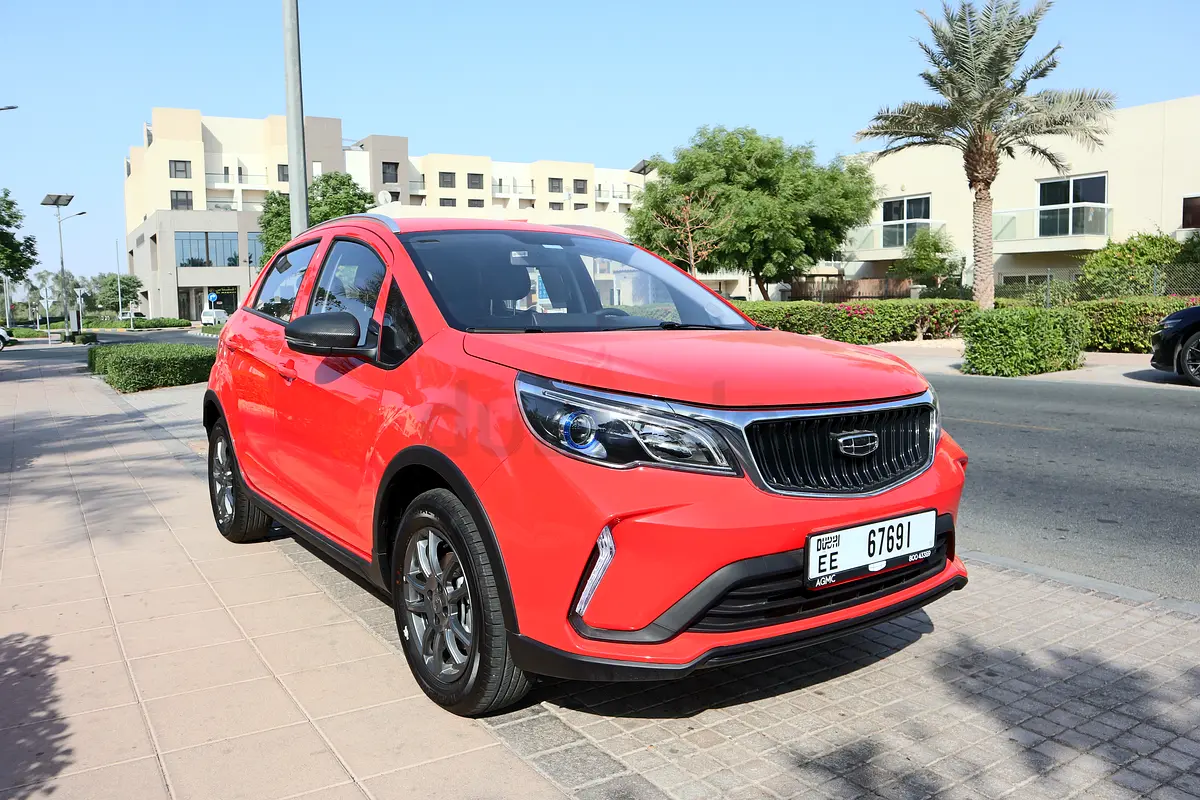
2026 Geely GX3 Pro Rental in International City

2021 Chevrolet Trailblazer for Rent in Al Quoz 4
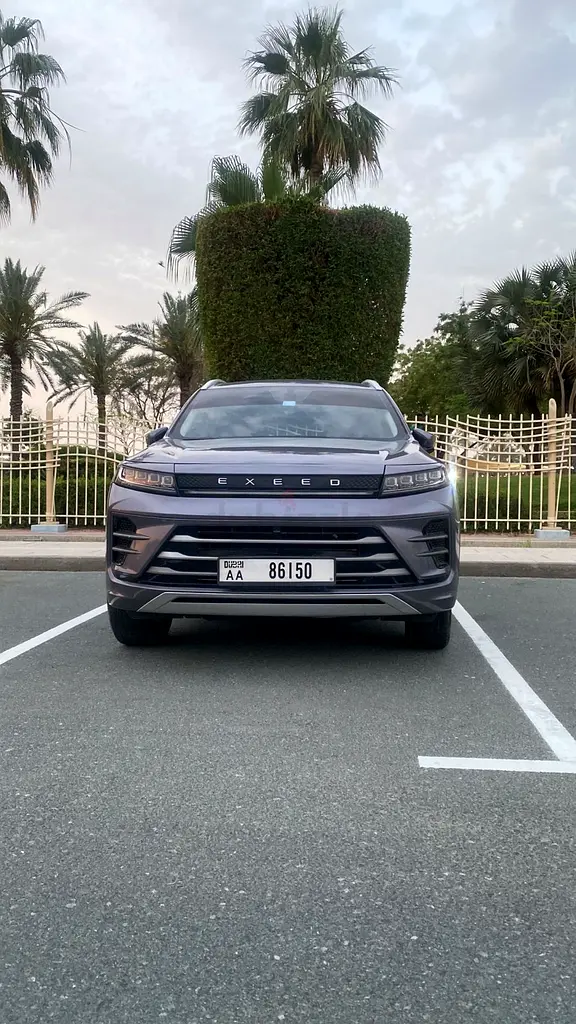
Hire 2024 Exeed LX in Al Barsha 1 — Daily, Weekly & Monthly Hire
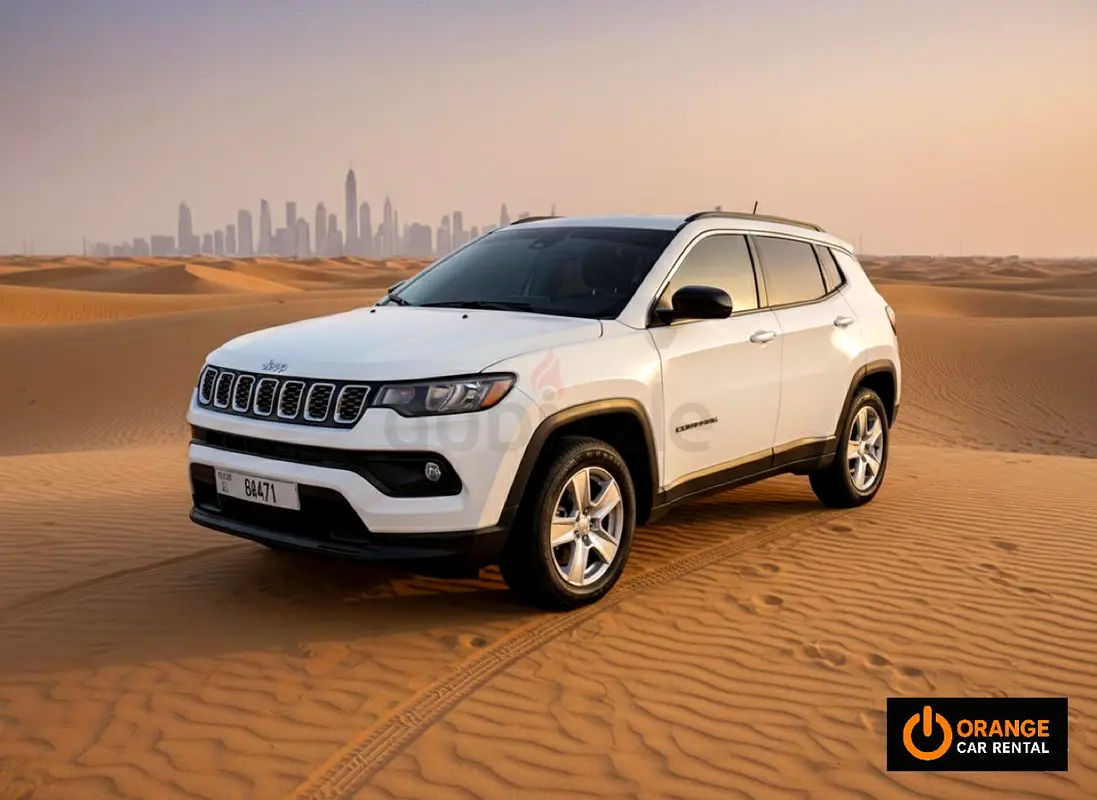
2022 Jeep Compass for Rent in Business Bay
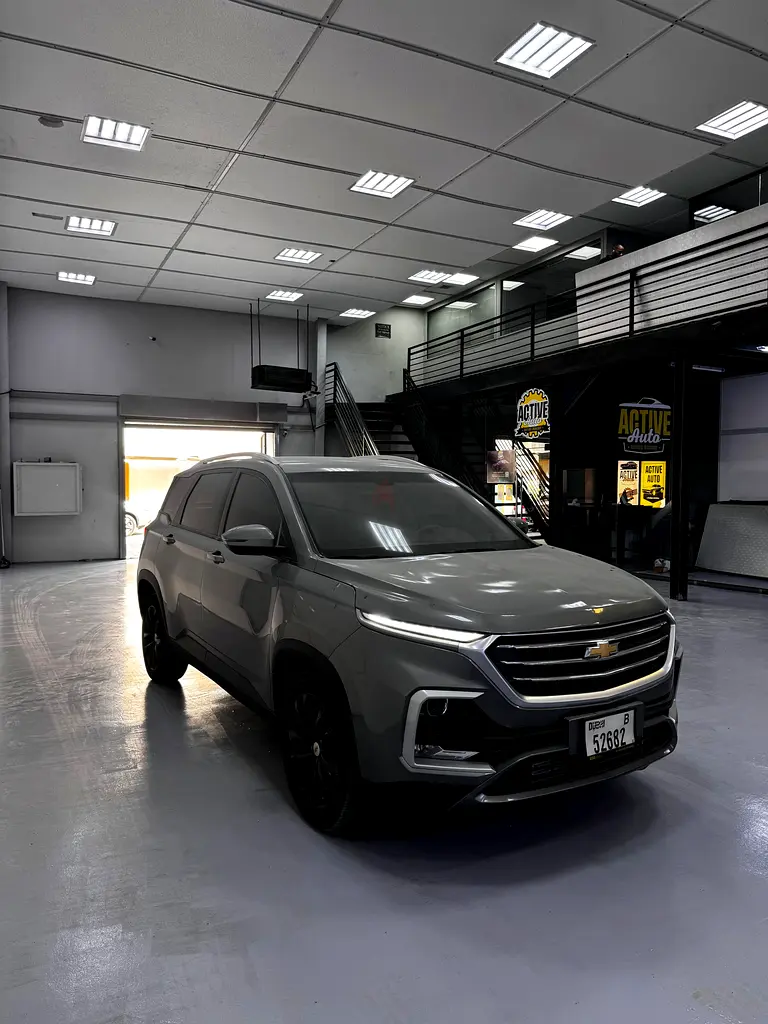
2023 Chevrolet Captiva for Rent in Al Quoz Industrial Area 4
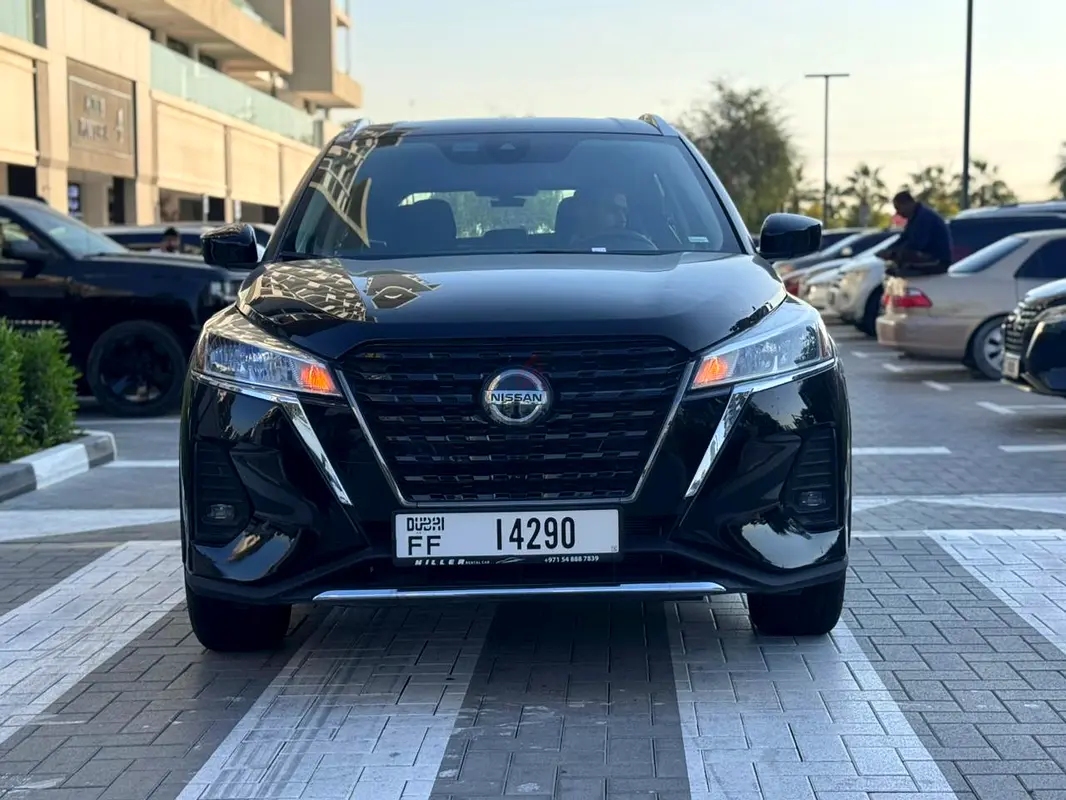
2025 Nissan Kicks for Rent in Azizi Riviera
Frequently asked questions
How far is Hatta from Dubai by car?
Hatta is 100 to 130 km from central Dubai depending on the route you take, and the drive is about 90 minutes with a clear road. It is part of Dubai but sits inland in the Hajar mountains, so no emirate border paperwork is involved.
Can tourists drive the E44 directly to Hatta?
Not the whole way. The direct E44 stretch between Al Madam and Hatta passes briefly through Omani territory, and that crossing is open only to GCC nationals. Everyone else must take the inland route via the Sharjah to Kalba road, which stays inside the UAE. Navigation apps do not always route you around it, so set your route deliberately.
Do I need a 4x4 to drive to Hatta?
No. The road to Hatta is fully paved and well signposted the whole way, and a normal saloon handles it without any trouble. An SUV is more comfortable on the twisty mountain section near the end and gives you boot space for cool boxes and kit, which is why most people choose one.
What does the Dubai to Hatta drive cost?
The return trip is roughly 260 km. At AED 3.49 a litre for Special 95 (August 2026) a midsize SUV using about 9 litres per 100 km spends around AED 80 on fuel. Add a few Salik crossings on the way out of Dubai at AED 4.20 to AED 6.30 each. Entry to Hatta itself is free, and you pay only for activities such as kayaking at the dam.
What is there to do in Hatta?
The Hatta Dam is the main draw, with kayaks, pedal boats and paddleboards for hire on turquoise water between mountain cliffs. Hatta Wadi Hub covers mountain biking, hiking trails and zip lines, and the restored Heritage Village in the town shows how the settlement worked before the road came. Most people combine the dam in the morning with the village or a late lunch.
What is the best time to drive to Hatta?
Leave Dubai around 7am, which beats both the traffic and the crowds at the dam. Season-wise October to April is ideal for anything outdoors. In summer the drive is still comfortable in an air conditioned car, but go at first light, carry plenty of water and keep the walking short.